Shadow Play
Creating Motion Art with Digitally Augmented Shadows
Shadow Play was a standout project from my time in the Tangible User Interfaces class at UC Berkeley, a graduate-level course in Human-Computer Interaction. This project, which earned me an A+, explored the creative potential of digitally augmented shadows, blending physical interaction with digital art.
Concept and Design
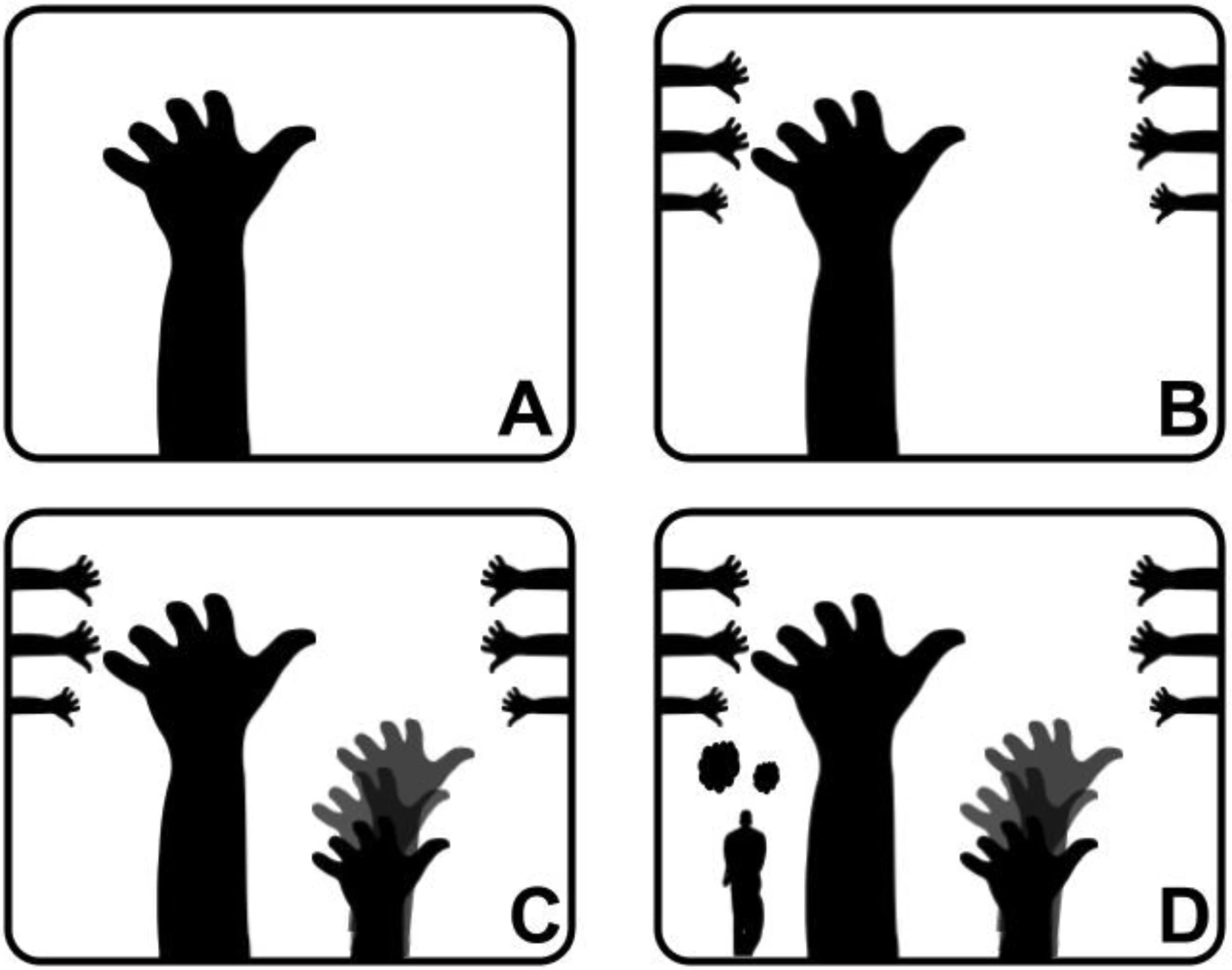
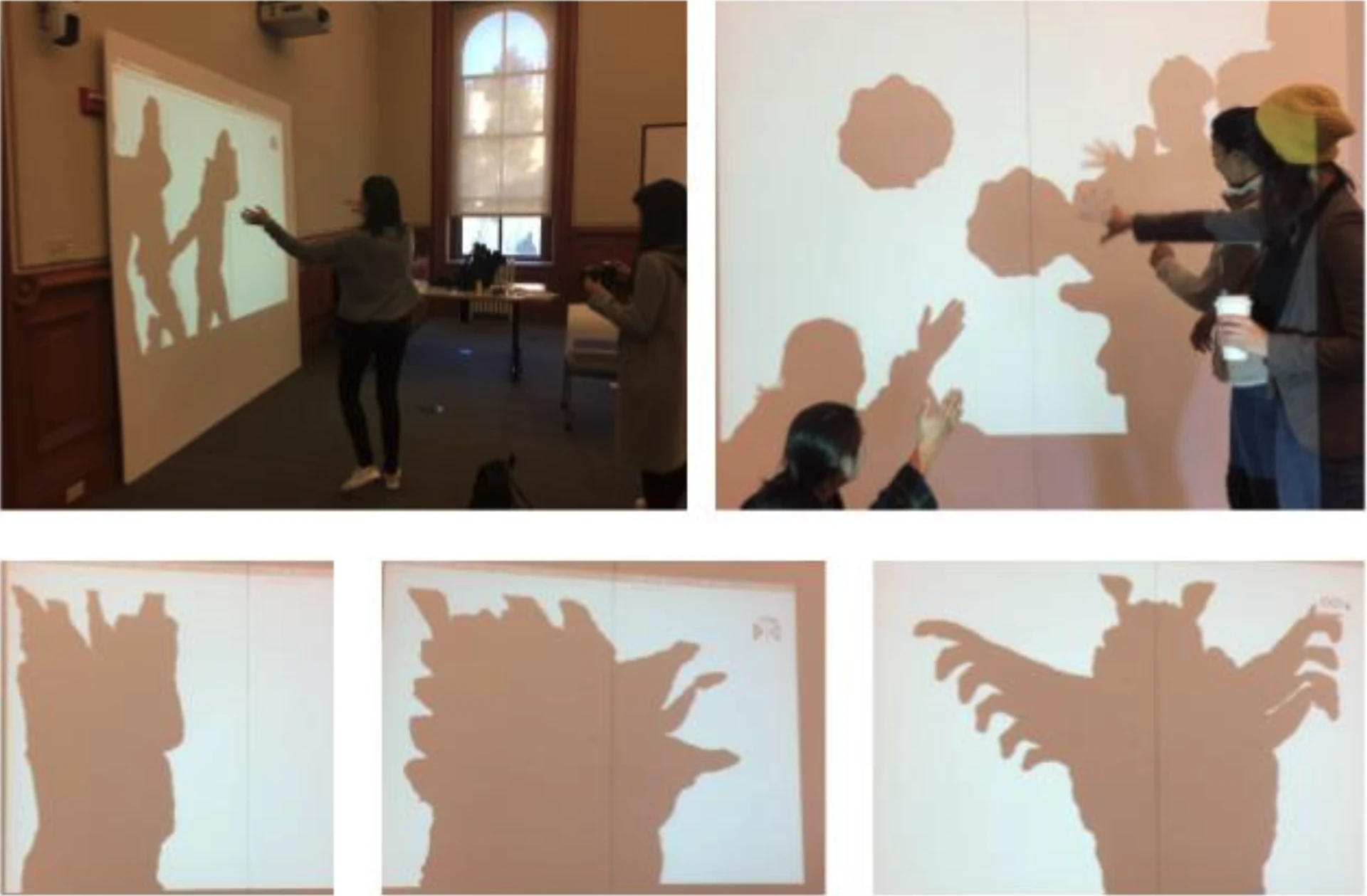
The essence of Shadow Play lies in its ability to turn simple shadows into interactive, motion-based art. By leveraging light, objects, and digital enhancements, users could craft intricate shadow animations and patterns, pushing the boundaries of traditional shadow play.
Implementation
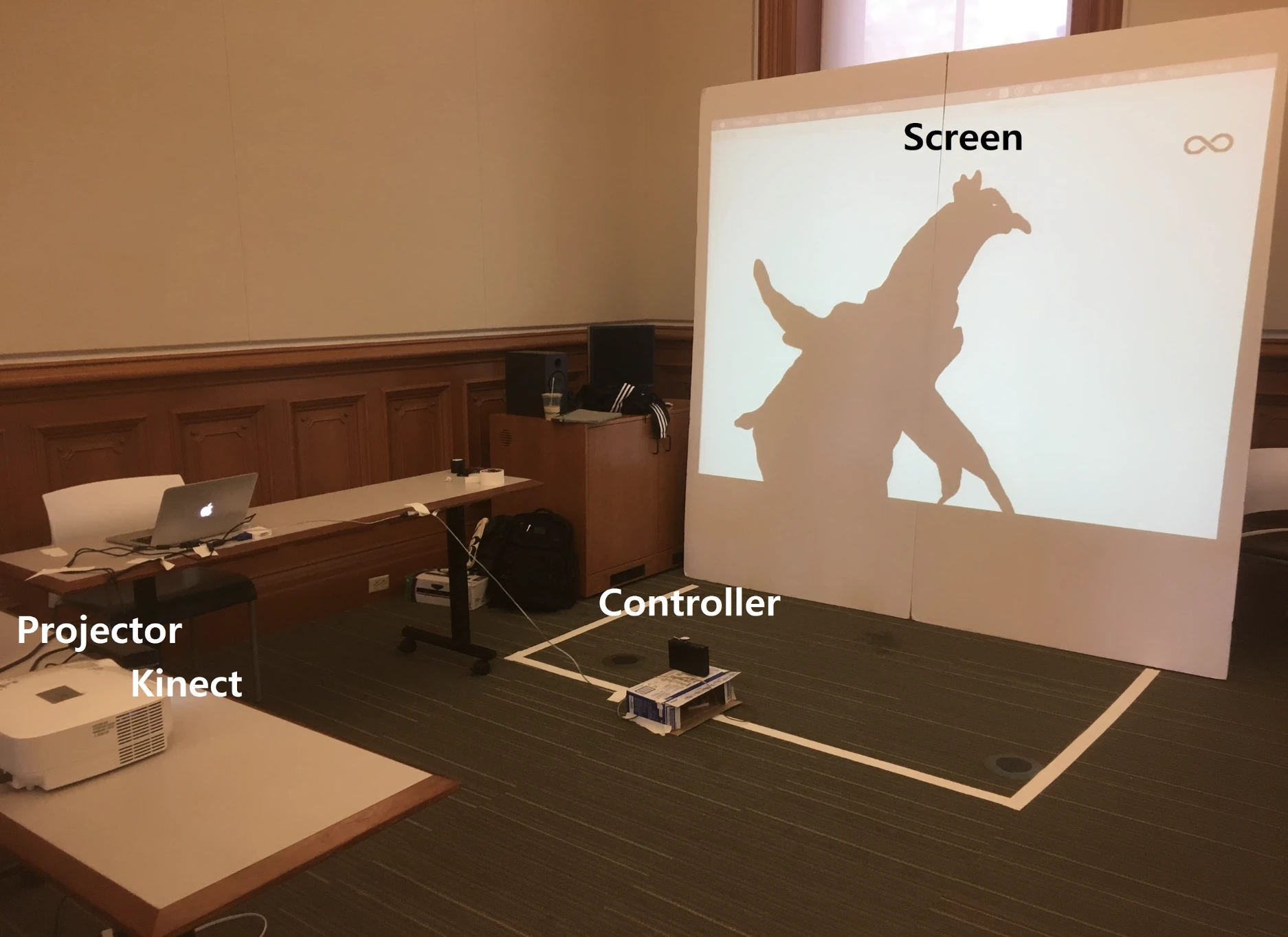
The technical backbone of Shadow Play involved a projector, Microsoft Kinect, and bespoke image processing software. The Kinect's depth sensor was pivotal in detecting user movements and projecting their shadow, which was then augmented with digital effects to create an immersive art-making experience.
User Experience
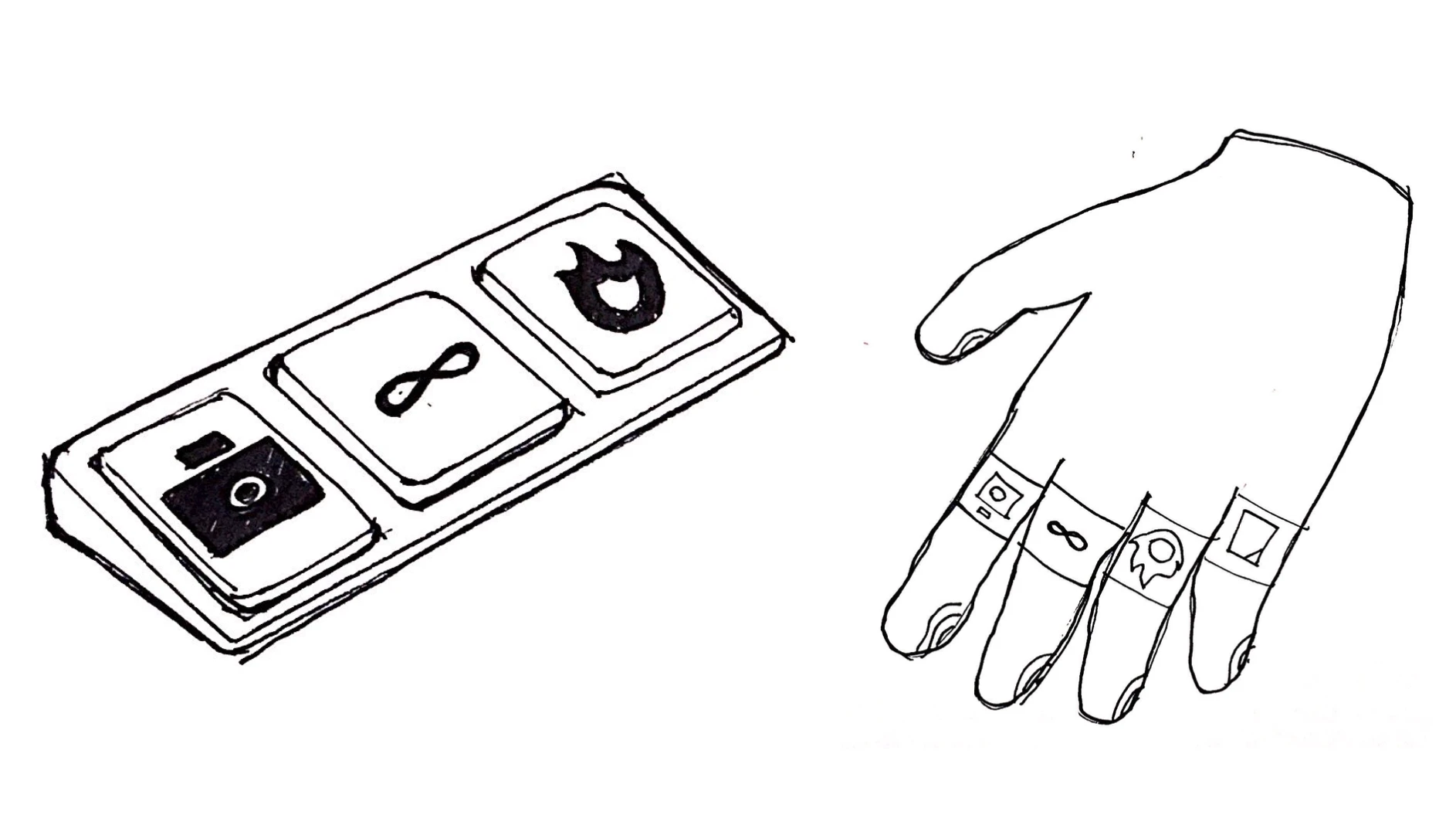
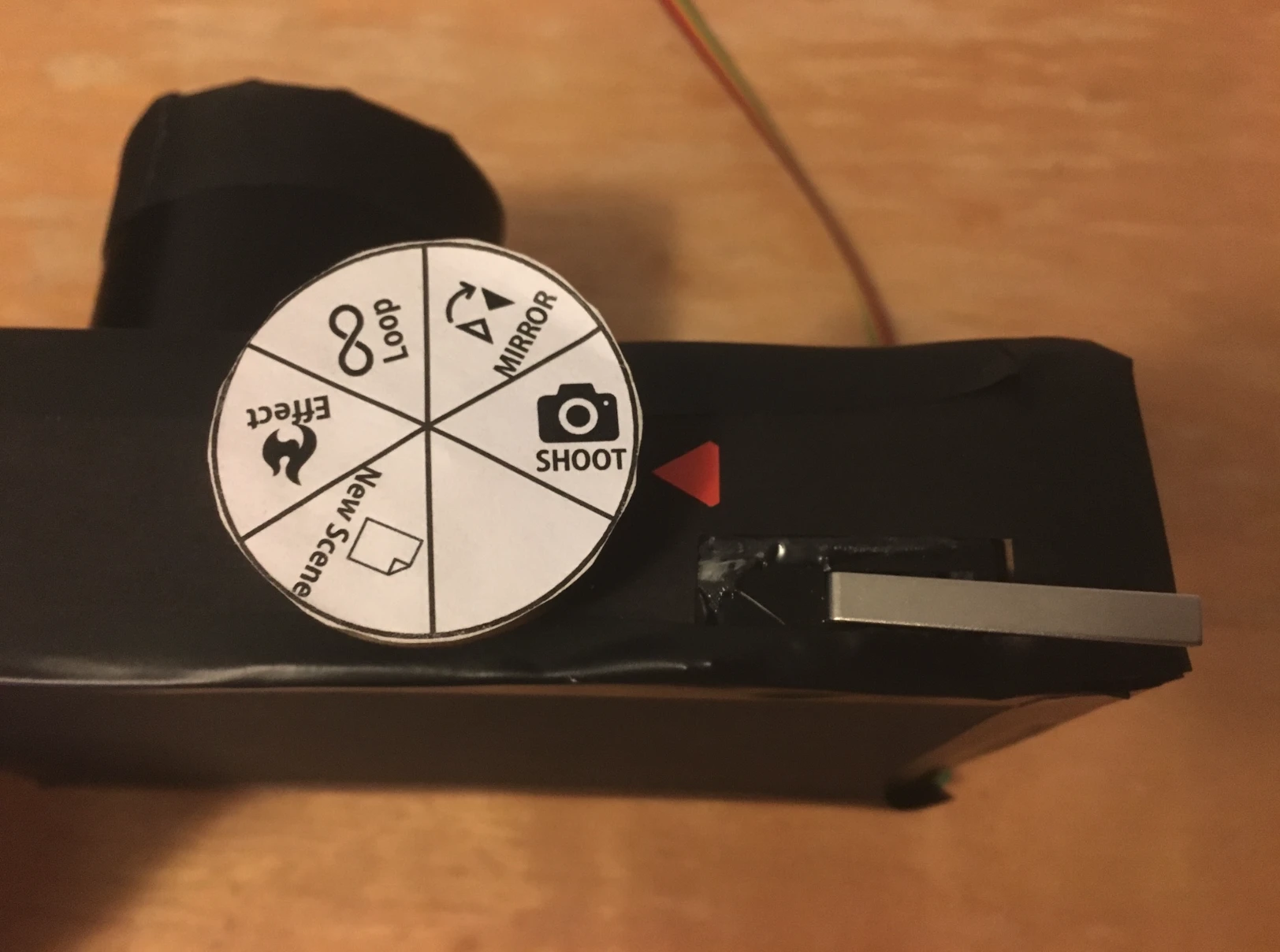
Designed for intuitiveness and engagement, Shadow Play's user interface allowed for seamless interaction. Through a camera-shaped controller, users could easily access various digital affordances like shadow capturing, animation, and looping, fostering a playful and creative exploration of shadows.
Reflections and Future Directions
Reflecting on Shadow Play, it stands as a testament to the innovative possibilities at the intersection of art and technology. As we look to the future, there's potential to enhance the project with more sophisticated effects, a refined user interface, and expanded narrative capabilities, promising exciting avenues for further research in Human-Computer Interaction.